

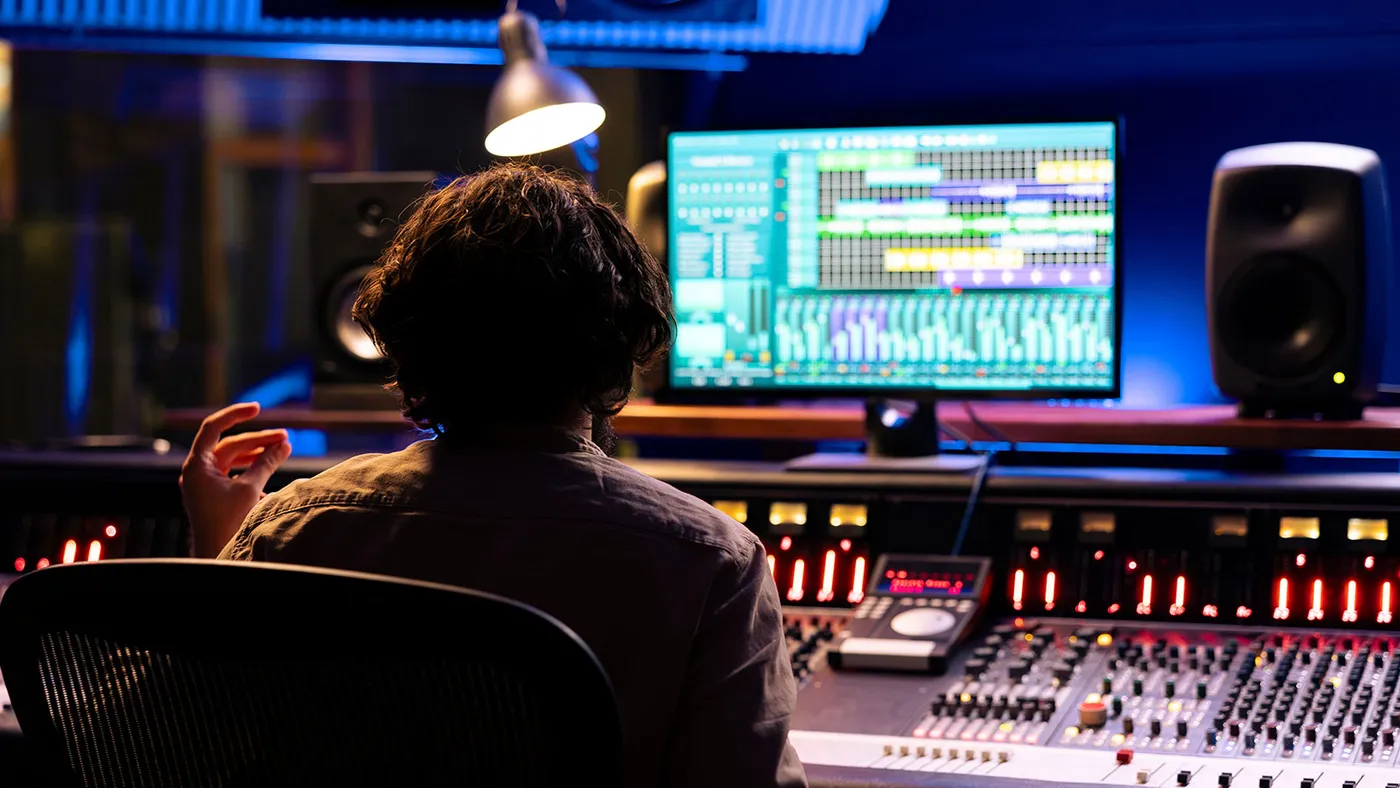

Music production has been shaped around two different approaches with the development of technology: analog and digital. These two worlds are actually two separate forms of expression that reveal different characters of music, rather than being opposites of each other.
Analog recording represents the most natural and physical form of music. Transferring sound waves directly to the tape means even small imperfections become part of the recording. This gives the music warmth, depth and a “human” touch. In the analog world, each recording is a little more singular, a little more irreversible; This adds a special value to the performance.
Digital recording offers music control, flexibility and unlimited editing opportunities. The ability to edit sound millimetrically, enrich it with effects, and reproduce it easily makes production processes more accessible. The digital world brings music to a cleaner, more refined and wider production area.
In today's music production, these two approaches are often used together. The warmth of analog combined with the precision of digital creates a powerful balance, both emotional and technical. This balance opens the door to a new aesthetic understanding, especially in contemporary productions.
What is important for artists is not which technology is used, but how this technology serves the spirit of the music. Sometimes an analog recording conveys the emotion of a song better; Sometimes a digital touch can increase the expressive power of the work.
As a result, although analog and digital seem to be two different worlds, they actually serve the same purpose: to deliver music to the listener in its most accurate, most impressive and most sincere form. When used together, these two facets expand the boundaries of music and turn it into a richer experience.